TWO FILMS. ONE GOOD QUESTION.
01 · READ THE IMAGEWhat does the cut change?
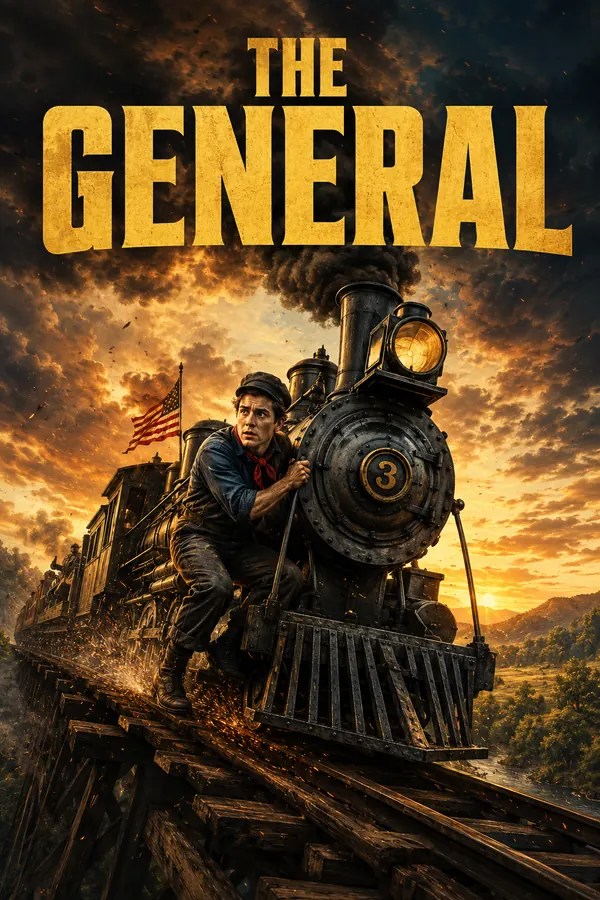
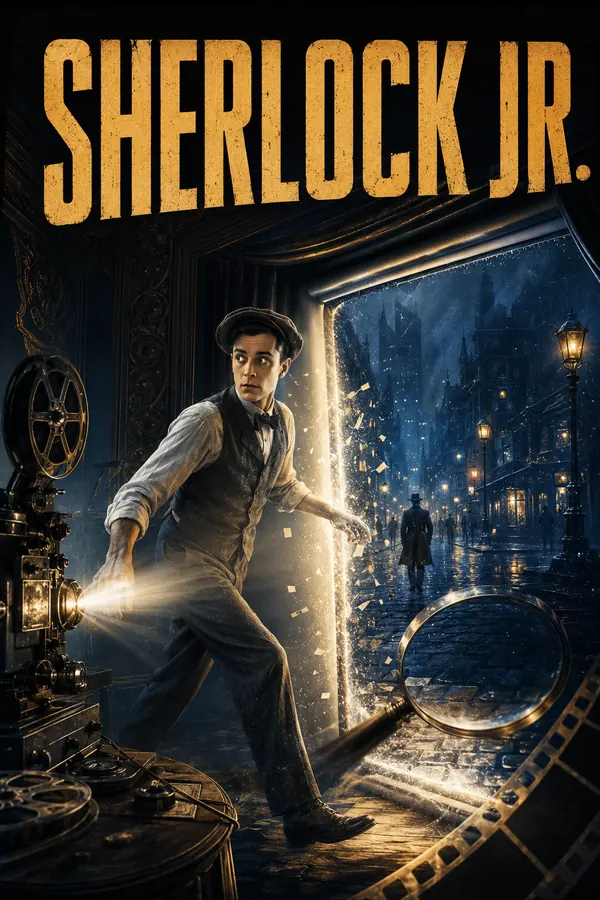
Start with The General, where machinery and travel make practical problems visible. Follow it with Sherlock Jr., where a change of setting can rearrange the problem itself.
Compare a moment when you anticipate a physical outcome with a moment when the next image surprises you. In each case, what does the film let you know before its character knows it?
02 · FEEL THE SPACEWhere does safety end?
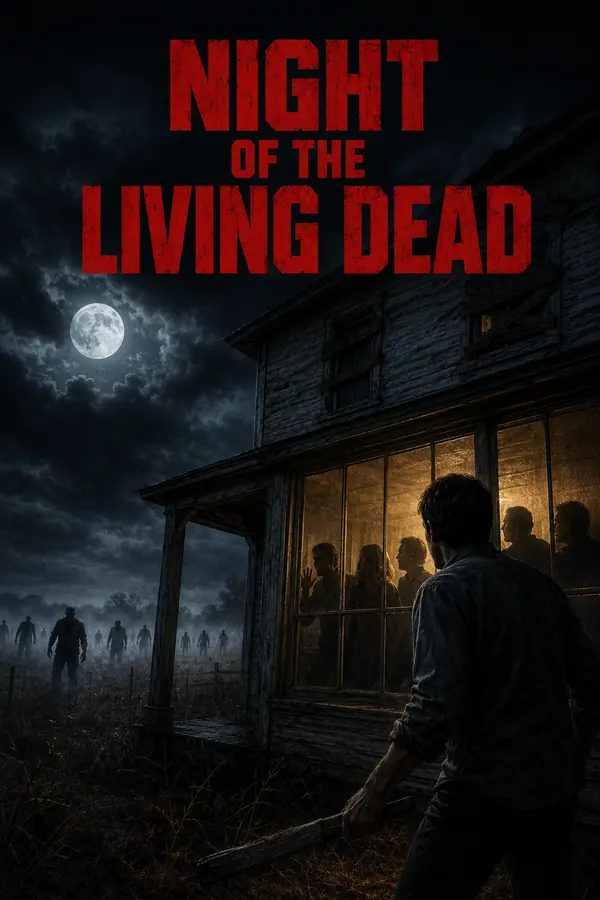
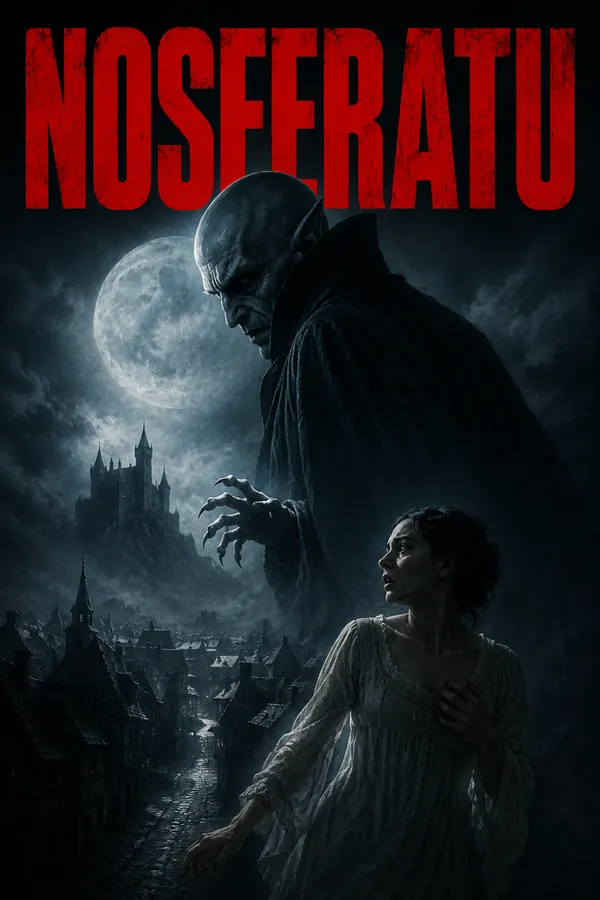
Watch Nosferatu for threatening distances and arrivals. Then try Night of the Living Dead for a shelter whose internal arrangements become contested.
Draw a rough boundary around the place that initially seems safe. Notice each way the film makes you revise that boundary: an entrance, an argument, a sound, or a change in what you know.
03 · LISTEN FOR CONTROLWho gets to tell the story?
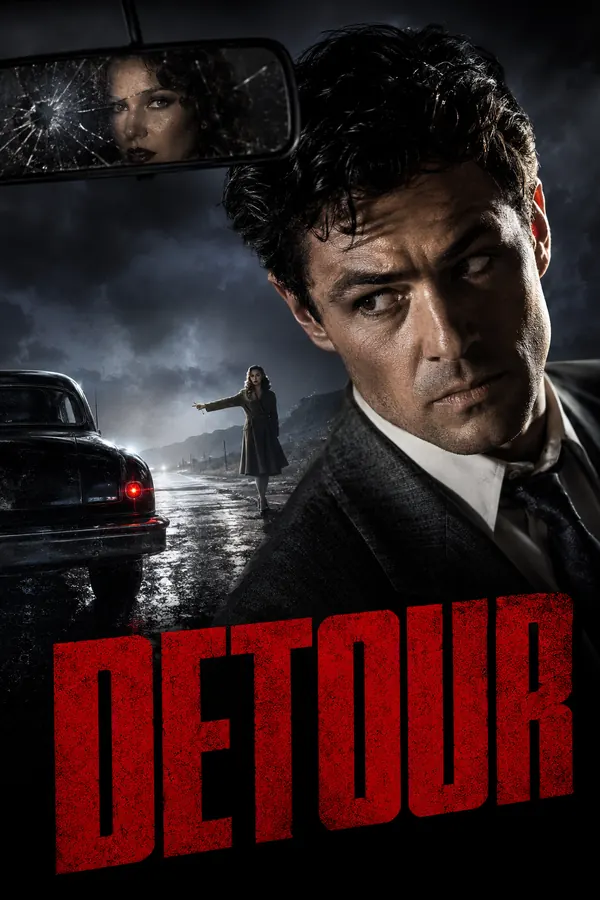
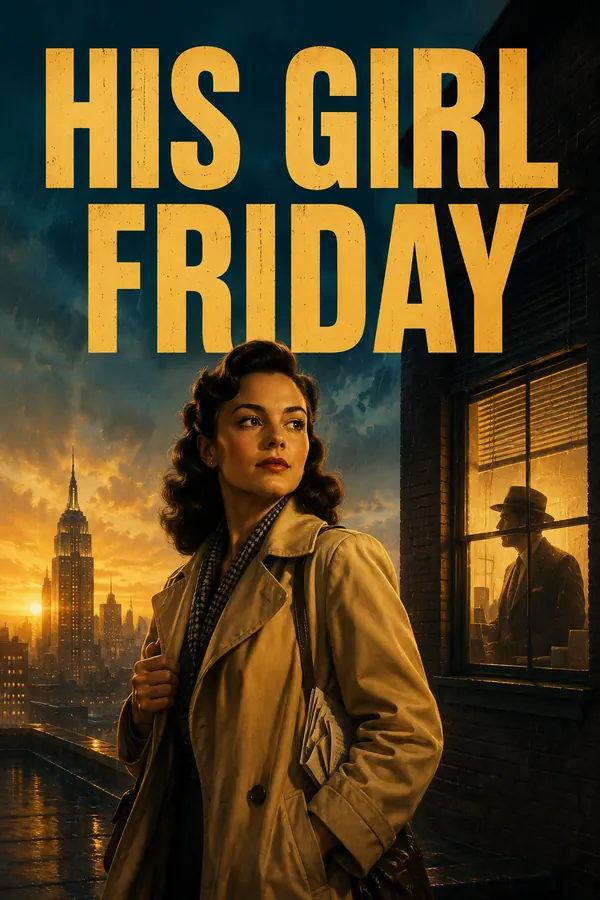
Begin with Detour and a narrator explaining how he arrived at disaster. Switch to His Girl Friday and voices trying to steer events while they unfold.
Listen for a line that sounds factual but serves a personal objective. Does the speaker seek sympathy, agreement, time, or authority? The comparison links two very different rhythms of movie dialogue.